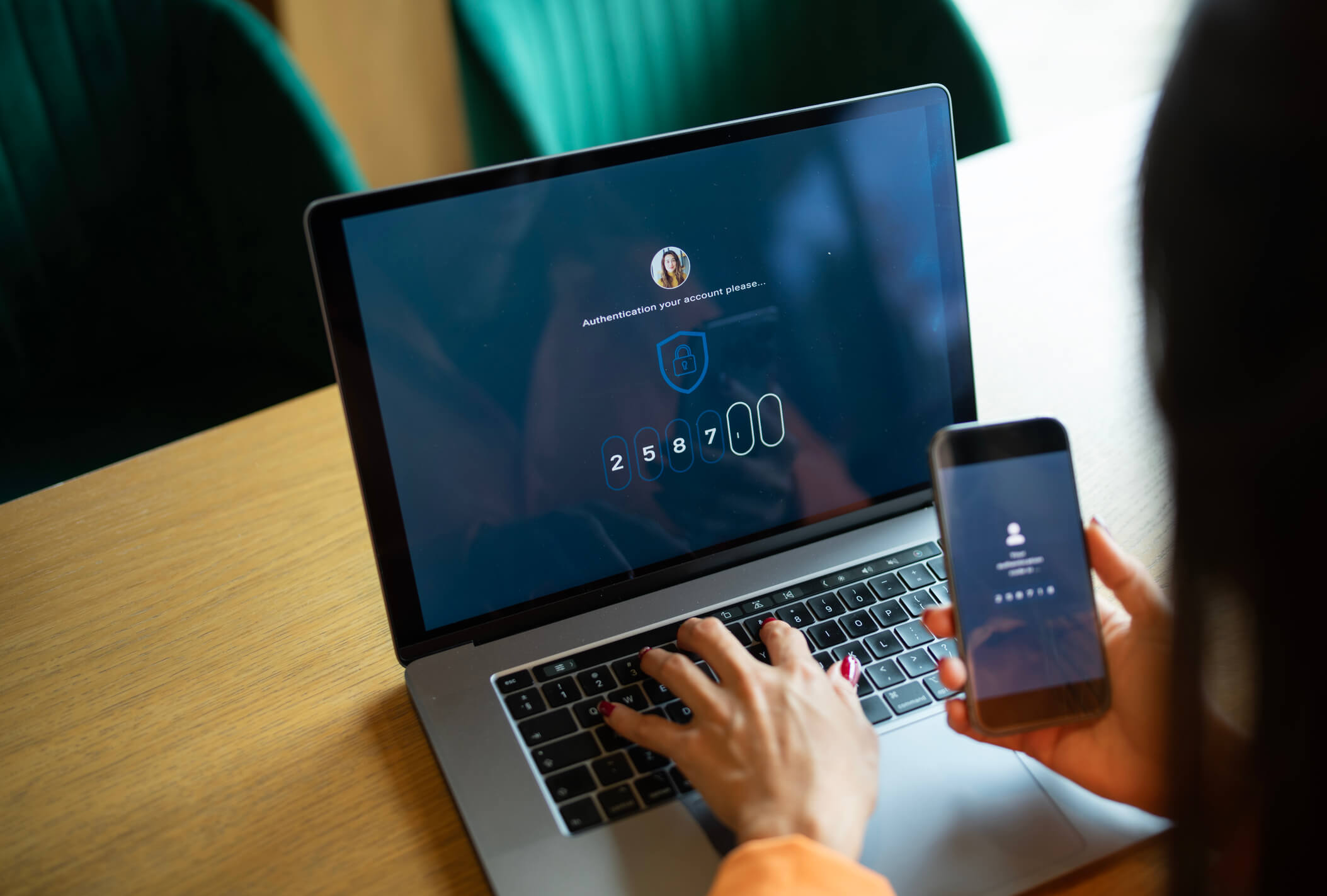
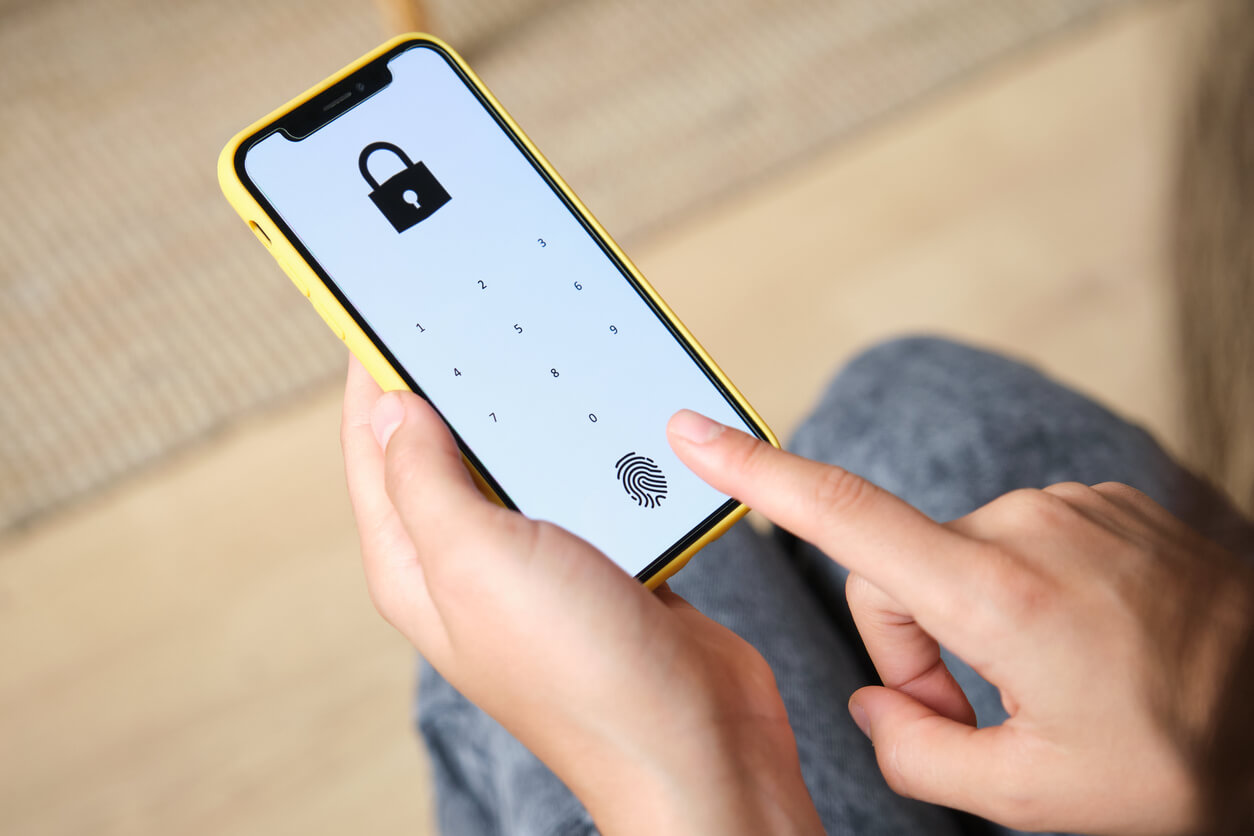
What Are Passkeys and Why Are They Replacing Passwords?
Passkeys are replacing passwords as a safer login method. Learn how passwordless authentication works and why major platforms are adopting it.
Last updated
27. February 2026.
Share
For decades, passwords have been the default way to log into online accounts.
And for decades, they’ve also been one of the weakest links in digital security.
We forget them. We reuse them. We store them in notes apps. We reset them constantly.
That’s why more and more major platforms — including Google, Apple, Microsoft, banks, and e-commerce services — are pushing passkeys as the new standard for authentication.
Passkeys are becoming the most practical form of passwordless authentication, and they’re quickly emerging as a serious password replacement.
This isn’t just a UX improvement. It’s a fundamental shift in how identity is verified online.
What Are Passkeys?
A passkey is a passwordless login method built on public-key cryptography.
Instead of typing a password, you authenticate using something you already use daily:
Face ID or fingerprint
Device PIN
Other forms of biometric login
Behind the scenes, your device generates a pair of cryptographic keys:
A public key, stored on the service’s server
A private key, securely stored on your device
The private key never leaves your device. That’s the core security advantage.
No password is transmitted. No shared secret exists that can be stolen from a database.
Passkeys vs Passwords: Why the Change?
Passwords were designed for a simpler internet.
Today, they create more risk than protection.
Most security breaches don’t happen because encryption fails — they happen because passwords are reused, guessed, or stolen through phishing attacks.
Common issues include:
Weak or reused passwords
Data leaks exposing entire credential databases
Phishing sites tricking users into entering login details
Credential stuffing attacks across multiple platforms
Passkeys eliminate these risks by removing the password entirely.
There’s nothing to guess, steal, or reuse.
How Passwordless Authentication Works
Modern passwordless authentication systems like passkeys rely on open authentication standards supported by the FIDO Alliance.
Two key technologies make this possible:
FIDO authentication
WebAuthn
These standards allow browsers and devices to securely communicate using cryptographic keys.
When you create an account with a passkey:
Your device generates a cryptographic key pair.
The public key is registered with the service.
The private key stays securely on your device.
When you log in, your device proves it holds the private key — without revealing it.
Because authentication requires access to your device and biometric confirmation, phishing attacks become dramatically less effective.
Even if a hacker compromises a server, the stored public keys are useless without the corresponding private keys.
Why Big Tech Is Backing Passkeys
Passkeys are built on FIDO Alliance standards and WebAuthn, supported by major tech companies. When Google, Apple, and Microsoft align on a security protocol, it signals a long-term direction for the industry. Passkeys are aligned with current online security trends focused on reducing human error in authentication.
For platforms, the benefits are clear:
Fewer password reset requests
Lower support costs
Reduced risk of credential-based breaches
Better user experience
For users, it means logging in is faster and less frustrating — without compromising security.
Why Passkeys Improve Phishing Protection
One of the biggest benefits of passkeys is built-in phishing protection.
Traditional phishing attacks rely on fake login pages that trick users into typing passwords. With passkeys, authentication is tied to the exact domain and requires device-level verification. If a malicious website attempts to imitate a real service, the passkey simply won’t work.
This dramatically reduces the effectiveness of phishing campaigns.
Are Passkeys Really More Secure?
In most scenarios, yes.
Because there’s no shared secret stored on a server, large-scale credential leaks become far less damaging. And since passkeys are tied to a specific domain, phishing attacks don’t work the same way they do with passwords.
That said, security still depends on device protection. If someone gains full access to your unlocked device, authentication risks increase — but that risk exists with any login method.
Overall, passkeys significantly reduce the most common attack vectors used today.
What Does This Mean for Businesses?
For digital products — especially in fintech, SaaS, healthcare, and e-commerce — authentication is part of the overall user experience.
Friction during login leads to drop-offs.
Security incidents damage trust.
Adopting passkeys signals that a company takes both seriously.
Implementation requires technical adjustments, but long term it simplifies account management, strengthens security posture, and aligns with modern authentication standards.
Secure authentication is only one part of the broader security framework. It is equally important that your website uses proper encryption and security certificates. To better understand why this matters, read our article SSL and Your Website: Essential or Not?
Are Passkeys the Future of Secure Login Methods?
While passwords won’t disappear overnight, passkeys are clearly positioned as a long-term password replacement strategy.
Because they rely on public key cryptography, support FIDO authentication, and integrate with WebAuthn, passkeys represent a mature and standardized approach to login security.
For businesses building digital products, supporting passkeys increasingly means aligning with modern authentication standards and strengthening overall digital identity security.
As authentication evolves, the industry is shifting away from shared secrets and toward device-bound cryptographic proof. In the context of rising cyber threats and evolving online security trends, passkeys are quickly becoming the logical next step.
As artificial intelligence becomes more deeply integrated into our daily lives, from search engines and news summaries to creative tools, one question keeps resurfacing: Is it fair for AI to use human-created content without permission?