
How to Choose the Right Platform for Building an Online Store
Choosing a platform for building an online store is one of the most important decisions for any business that wants successful online sales.

Last updated
5. February 2026.
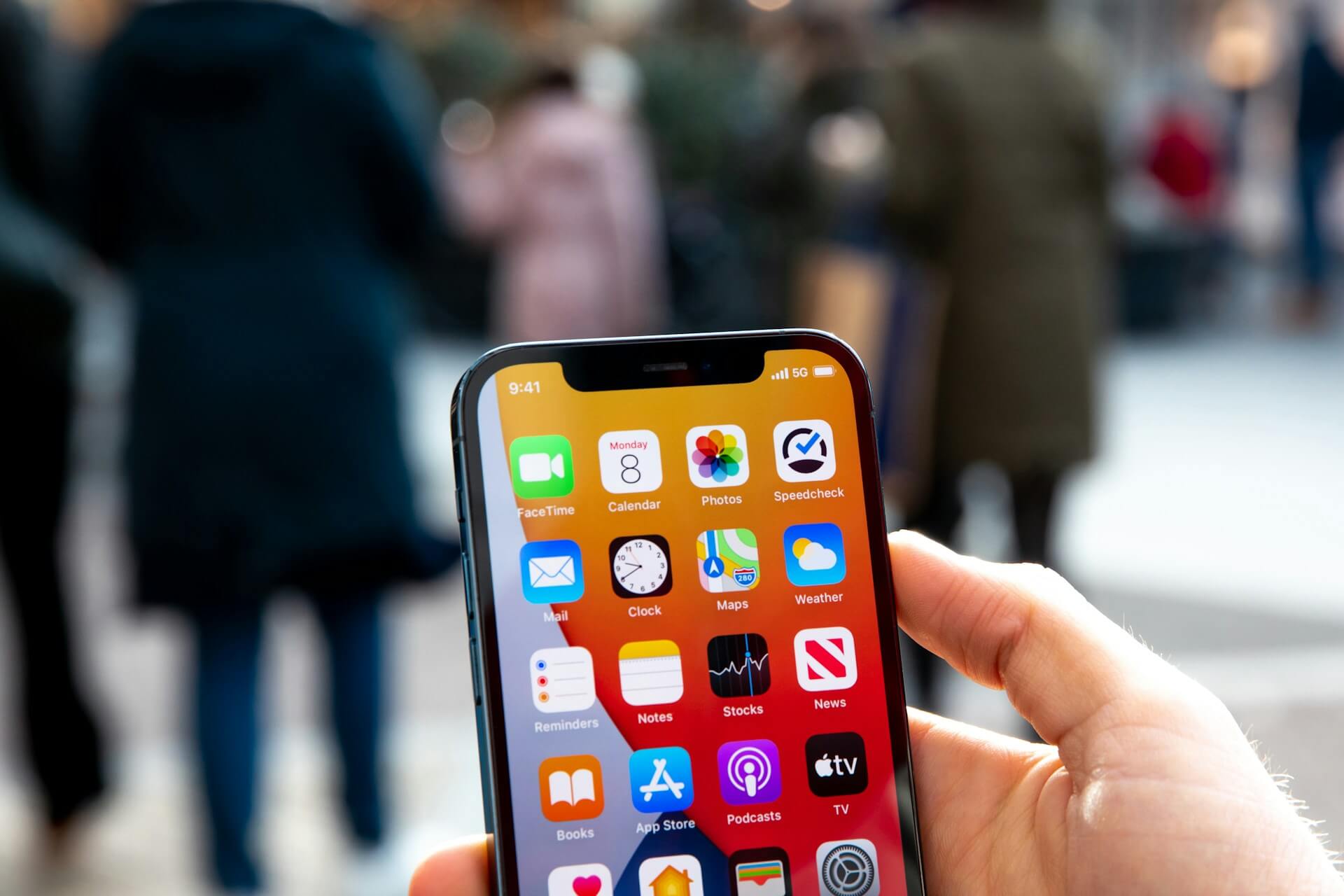
The mobile app market is more crowded than ever. New apps are launched every day, yet only a small number manage to stay relevant and keep users engaged over time. Most apps don’t disappear because of technical issues. They fade away because they lose their purpose in users’ daily routines.
That raises a more important question: what separates apps that last from those users abandon after a few weeks?
Apps that stand the test of time are not created just because “having an app” feels like the next logical step. They are built around a clearly defined problem that users actually care about solving.
When the initial idea is vague or too broad, the app quickly loses meaning. In practice, a smaller set of well-defined features often proves far more valuable than ambitious solutions that try to cover everything at once.
Apps that last have a clear understanding of:
who they are built for,
when and why users reach for them,
and what keeps users coming back.
Apps that last don’t try to do everything. They focus on doing one thing really well.

Design matters, but what keeps users engaged goes beyond visuals. Apps that last feel intuitive, predictable, and easy to navigate. Users shouldn’t need instructions to understand how the app works.
Many companies say they want their app to “feel like Apple.” In reality, this usually means clarity, focus, and simplicity rather than copying a specific visual style. Apps with complex offerings or large product catalogs can’t look like minimalist showcase apps, but they can still apply the same principles: clear navigation, logical structure, and reduced friction.
We’ve explored similar ideas in our article: Minimalist Website Design: When It Works—and When It Doesn’t.
One of the most common misconceptions in app development is treating launch day as the finish line. Apps that last evolve alongside their users.
This means continuously observing how people use the app, identifying where they hesitate or drop off, and adjusting features to match real-world behavior. Small, well-considered updates over time are often more valuable than major changes that disrupt familiar flows.

Performance, stability, and security are essential, but they rarely determine whether an app will last on their own. Long-term success comes from aligning technology with a clear purpose and strong product decisions.
Apps tend to perform best when development teams work closely with business stakeholders. That collaboration helps the product evolve in line with user needs rather than technical assumptions.
Choosing the right development partner can make a meaningful difference, as discussed in Choosing the Right Partner for Your Software Solution
From a user’s perspective, successful apps feel effortless. Behind the scenes, that simplicity is usually the result of careful prioritization and many deliberate decisions.
Apps built to last guide users smoothly, avoid unnecessary complexity, and introduce new features without overwhelming them. This balance allows products to grow while remaining easy to use.

Looking across long-lasting products, a consistent pattern emerges. Apps that endure are built around a clear purpose, adapt over time, and respond to real user needs instead of short-term trends.
They don’t chase every new feature or design pattern. Instead, they focus on staying useful, familiar, and reliable. That’s what keeps users coming back long after the initial excitement fades.
This approach is something we regularly see in the projects we work on at Cubes, where mobile apps are designed as long-term products rather than one-off releases.
Choosing a platform for building an online store is one of the most important decisions for any business that wants successful online sales.

Sve više firmi ulaže u razvoj mobilnih aplikacija. Saznajte zašto su aplikacije postale ključne za korisničko iskustvo, lojalnost i digitalni rast brendova.

What does it take to optimize your website for Google’s AI search? Learn how to craft better answers, use schema markup, and boost your visibility in SGE results.